As we all know, the packaging box industry has a certain correlation with the gift industry. When designing the pattern, the packaging box often has a more personalized market. The traditional printing process is used in the pattern, and these traditional printing processes often cannot be customized. So how to solve the personalized customized packaging box? This is inseparable from the credit of the packing box UV printer!
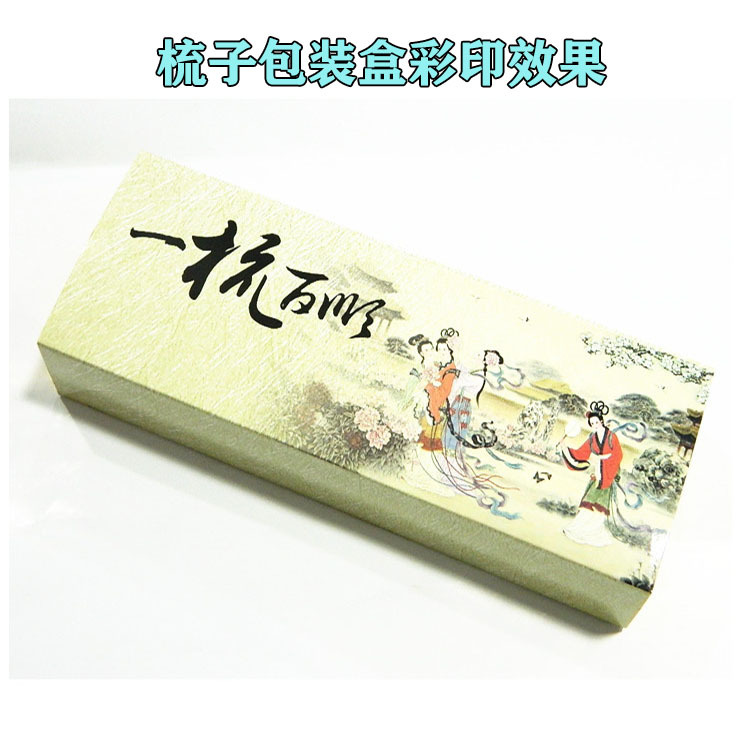
Comparison between UV printer and traditional printing
1、Disadvantages of traditional printing
(1) Phenanthrene screen plate making cost is high and printing cost is expensive;
(2) The color is complex and cannot be modified once the version is finalized;
(3) Complicated process and long production cycle;
(4) Screen printing plate making costs are high, screen printing points can not be eliminated, and mass production is needed to reduce costs;
(5) The traditional sign making generally adopts the method of engraving + corrosion + color paint filling, or laser engraving, which can only make monochrome signs, but can't do anything about color patterns;
(6) High waste rate of multiple overprint and large color deviation;
(7) More personnel are needed, and the proportion of manual production is high.
2、Advantages of packing box UV printer:
(1) It is applicable to any material and has a wide range of compatibility.
(2) No plate making, fast printing and low cost. Various output software can be used to support various file formats.
(3) Equipped with professional color management software, you can change the color anytime and anywhere without paying extra cost.
(4) One step completion, namely printing and taking, to meet the needs of rapid sample delivery.
(5) The unit price starts printing, and large quantities can be matched with template printing, saving time and labor.
(6) Full color image, one-time completion, progressive color, fully achieve the effect of photo quality, accurate positioning, and the scrap rate is zero.
(7) Computer operation, no personnel dependence, large upgrade space.
